
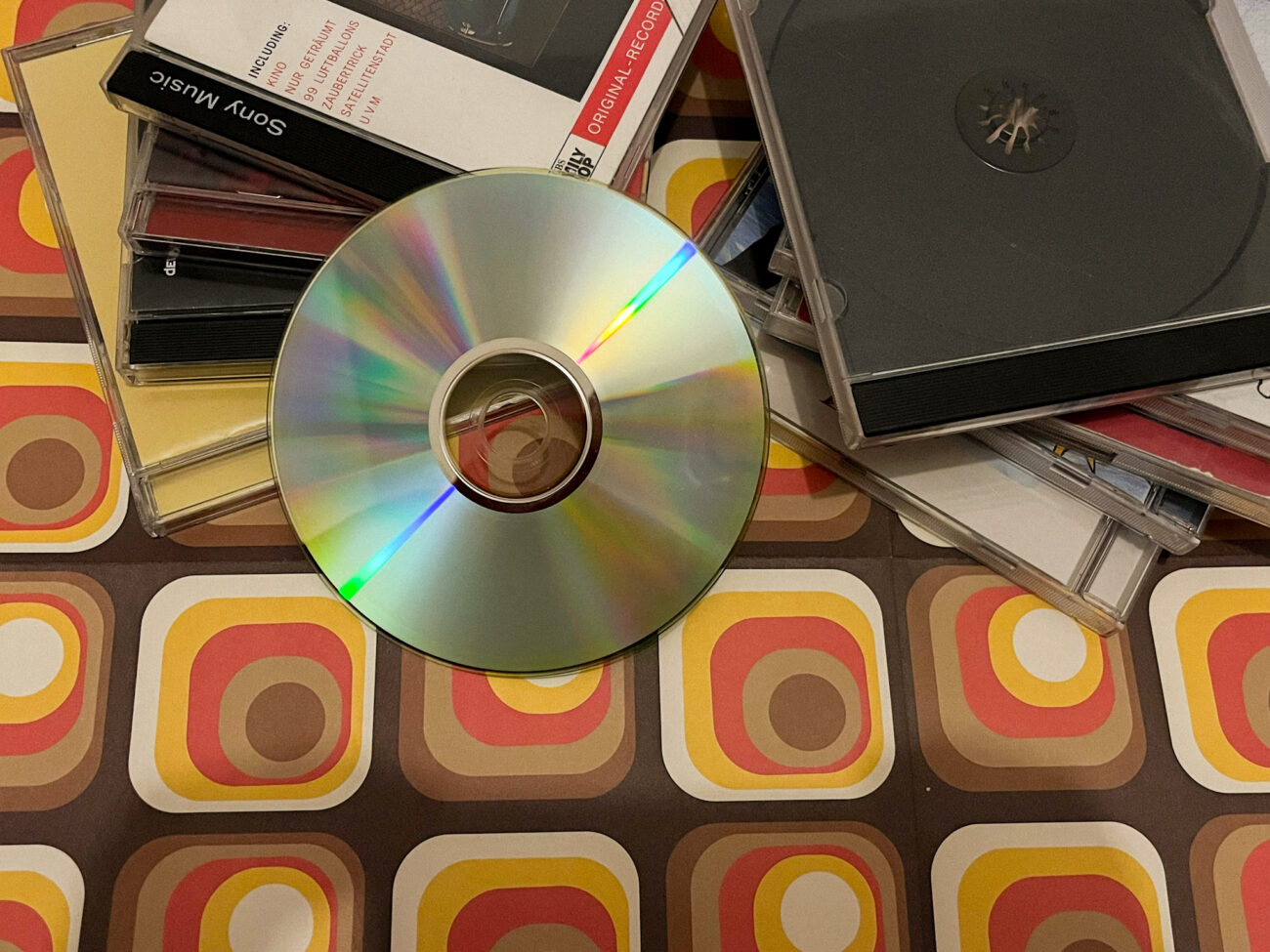


Are you really listening to music or just drowning out noise? Maybe it’s time to break free from passive streaming and start to listen to music again.
How are the exams going? Are you already tired of the crowded library, the Ruhrbahn strikes or finding a parking space? For many students, studying for hours can only be endured listening to music in order to find some kind of focus. Do you listen to music while studying? I for one certainly enjoy listening to alpha brain-waves or a lofi playlist.
But are you really listening? Or do you listen to all those playlists just to numb the voice in your head telling you that you should have started studying weeks ago? Don’t worry, I couldn’t care less, but have you ever thought about who actually makes all this music that we listen to just to soothe our minds? I certainly did not. According to my Apple Music Replay — Apple’s version of Spotify Wrapped — I listened to 61,500 minutes of music, which adds up to 1,025 hours or roughly 42.7 days. This really made me think. Can this be real? I tried to guess what my top artists were and all my guesses were far off.
That’s when I began to ask myself: Did I become just another ignorant music consumer? I don’t even notice what I’m listening to most of the time – it’s just there, filling the silence. And listening to non-mainstream, non-TikTok-optimised music becomes incredibly hard for me. It’s like when you haven’t read a book in a long time. At first, it feels almost impossible to focus, the words blur together and your brain resits. You have to learn to read again. The same thing happens with music. Try listening to something more complex like classical compositions, world music or jazz – and suddenly, it feels overwhelming. It’s like my brain has been trained to process passively, not actively. Maybe that’s the real problem. We are so used to consuming background noise that we forget how to actually listen.
Mood Machine
I began researching this phenomenon online and stumbled over Liz Pelly, a New York-based writer who has investigated this and the business practices of music streaming services like Spotify for years. Pelly argues that companies prioritize passive listening and background noise to earn more revenue and pay less in royalties to labels and artists, basically turning music into “emotional wallpaper”. And this has to be successful because in 2024 Spotify reported its first profitable year since the company was founded.
In her latest book, Mood Machine: The Rise of Spotify and the Costs of the Perfect Playlist, Pelly delves deeper into the origins of Spotify and its influence on the music industry. She sheds light on how streaming has reshaped music consumption for listeners and artists.
This book made me rethink my stance towards music streaming. When the exams are over, I’m going to try something different. Instead of constantly streaming music as background noise, I’m going to make a conscious effort to listen to music more actively – choosing albums with intention instead of choosing mood-matching playlists, and really paying attention to the music. And maybe sometimes, I won’t listen to music at all. Just let there be silence. After all, I’ve trained my brain to rely on a constant soundtrack, maybe it’s time to relearn what it’s like to be without one. Maybe my goal for the next months should be to not only try to reduce screen time, but also stream time.
If you’re looking for new music inspiration, check out our Album des Monats section, which is filled with recommendations that might just help you rediscover the joy of true music listening once again!
