

As a member of the European Union, Germany is obliged to fulfill the implementation of the eIDAS reform by the end of 2026. Subsequently, the Federal Minister for Digital Transformation, Karsten Wildberger, presented the nation’s version of the upcoming EUDI-Wallet. Find out here, why this binding decision entails advantages for students and could even lead to wallets becoming a thing of the past.
With the intention of creating a digital single market and, thus, ensuring trustworthy electronic and, at times economic activity between citizens, businesses, and public authorities, in 2014, the European Parliament enforced a union-wide regulation. Better known as „electronic IDentification, Authentication and trust Services“ (eIDAS). By drafting this framework, the institution laid the first groundwork upon which its member states were asked to supply their citizens with a national electronic identity (eID). This would allow for remote transactional and governmental operations, while simultaneously responding to the growing demand for a digitalized Union.
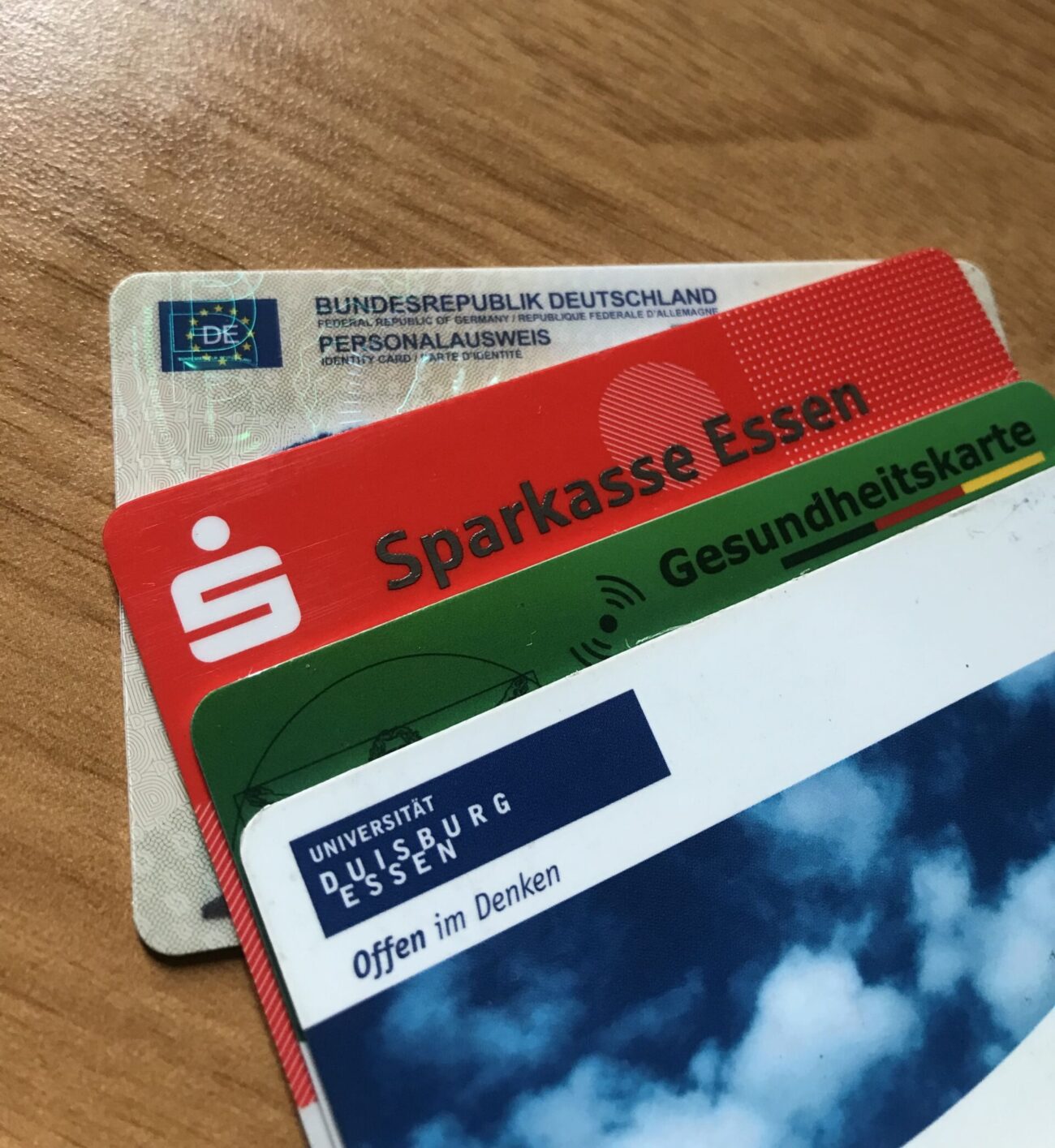
In 2023, the EU Commission was forced to officially recognize the failure that was eIDAS 1.0. Out of the 27 member states, only 14 were assessed to have provided an online authentication system, with countries like Spain and Germany recording a profound low-usage rate. Thus, the EUDI-Wallet was commissioned to replace the original project, offering a much wider range of possibilities this time around. The technology behind the interchangeably named Digital Identity Wallet draws on a cryptographic verification of all federal government-issued credentials used for the identification of a person. Stored as a digitized ID companion on an app, these credentials such as the ID card transform into a pocket-sized and constantly accessible nation-and soon-to-be union-wide recognized format for identification. At a later stage, credentials such as driver‘s license, health insurance card, student ID, and other official documents, including the birth certificate, are expected to be added.
„d-you“ services to start in 2027
Rebirthed as „d-you“, the CDU-led ministry showcased the official name, logo, font and cooperation partners on Wednesday, the 9th of September, set to launch on the 2nd of January. Once again, Wildberger pushed back against critical voices who view the app as a means for surveillance. Pointing towards an ongoing development of citizens shifting communication with the public and private sector, the politician believes in offering an accessible, transparent, and self-sovereign tool, not as mandatory but rather self-determined by the individual’s need.
Among the cooperation partners is the University of Duisburg-Essen, which is striving towards a fully digital application and enrollment process for first-year and current students. Relying on the limited services provided by the app in its first phase, the university will immediately have the necessary information at hand by filtering through the digital ID companion „card“. As a result, applicants will have to upload fewer documents containing sensitive personal data once students have issued their consent. As time passes, the university should be authorized to digitally verify further education credentials and, thus, add diplomas, academic transcripts, and the student ID to the wallet. This would allow students, and by that extension, citizens, to store and self-manage their identity credentials in a single app.
Doomed for Failure?
With a new semester approaching, and students expected to return to campus in two weeks, the student body has so far responded to the university’s latest collaboration with silence. Nevertheless, the d-you project hasn’t been exempt from critique. Sonja Lemke, a Left Party member of the Deutsche Bundestag , raised concern for the great potential the wallet presents regarding data trafficking and identity theft, whereas others doubt that local authorities will be able to accomplish the implementation by January 2027. This signals to poor equipment on the local level. Furthermore, Lemke points to an already oversaturated market of self-sovereign-identity services (Bund-ID, digital identity card) provided by the federal government, which the broader public rarely uses due to the lack of their existence.
Whether Germany, a country known for its techno-skepticism, will embrace the wallet of the Future or rather abide by a conservative approach of sticking to physical credentials, only time will tell.
